Tibet Budget Tour Package - 9 Nights / 10 Days
Highlights: Lhasa, Gyantse, Shigatse, Kailash Drive


Acclimatization and rest.
Potala Palace, Jokhang Temple, Barkhor Street.
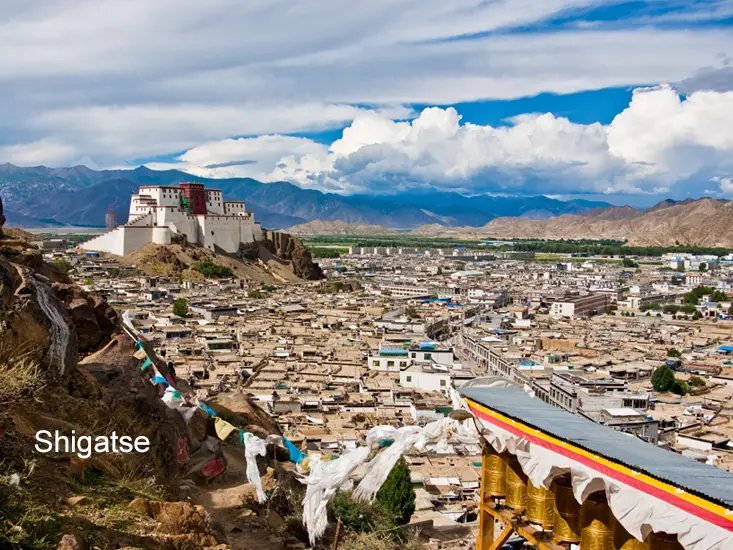
Drive via Yamdrok Lake and Karo La Glacier, overnight in Gyantse.
Visit Pelkor Chode Monastery and Kumbum Stupa,
Pelkor Chöde Monastery & Kumbum Stupa – Spiritual Treasures of Gyantse located in the historic town of Gyantse, Pelkor Chöde Monastery is one of Tibet’s most unique and culturally significant religious complexes. Founded in the 15th century, the monastery is renowned for its rare harmony of three major schools of Tibetan Buddhism—Gelug, Sakya, and Kagyu—peacefully coexisting within one compound. At the heart of the monastery stands the magnificent Kumbum Stupa, one of the finest architectural masterpieces in Tibet. This remarkable multi-storey stupa contains 108 chapels spread across nine levels, richly adorned with ancient murals, statues, and mandalas that depict Buddhist teachings and deities.
Visitors can explore beautifully preserved assembly halls, prayer rooms, and sacred artworks while enjoying panoramic views of Gyantse town and the surrounding valley. The spiritual atmosphere, artistic brilliance, and historical depth make Pelkor Chöde Monastery and Kumbum Stupa a must-visit destination on the Lhasa–Gyantse–Shigatse route.
Highlights:
A visit to Pelkor Chöde Monastery and Kumbum Stupa offers travelers a deep insight into Tibetan spirituality, art, and architectural excellence, making it a memorable highlight of any Tibet tour. overnight in Shigatse.
Drive through scenic valleys, rivers, and remote Tibetan villages.
Saga is a small but strategically important town in western Tibet, located at an altitude of approximately 4,600 meters. Though modest in size, Saga is widely known as a key stopover point for travelers, pilgrims, and overland expeditions heading toward Mount Kailash, Lake Manasarovar, and Ngari (Ali) region.
Situated near the Brahmaputra River (Yarlung Tsangpo) and surrounded by vast open plains, Saga offers dramatic high-plateau landscapes, endless horizons, and a strong sense of Tibetan nomadic life. The town provides essential facilities such as hotels, guesthouses, restaurants, fuel stations, and basic medical services, making it an important resting place for acclimatization.
Saga is especially popular among Kailash pilgrims and overland travelers from Nepal, serving as a natural break point on long journeys across western Tibet. The peaceful environment, star-filled night skies, and simple Tibetan lifestyle give visitors an authentic experience of the remote Tibetan plateau.
Highlights:
A visit to Saga is less about monuments and more about experiencing the raw beauty, silence, and spiritual atmosphere of Tibet’s high plateau, making it a meaningful part of any western Tibet journey. Overnight in Saga.
Darchen is a small yet highly significant town in Ngari (Ali) Prefecture of western Tibet, situated at an altitude of approximately 4,670 meters. Though modest in size, Darchen holds immense spiritual importance as the main starting and ending point of the sacred Mount Kailash Kora (circumambulation). For pilgrims of Hinduism, Buddhism, Jainism, and Bon religion, Darchen serves as the essential gateway to Mount Kailash and nearby Lake Manasarovar. Each year, thousands of devotees and trekkers gather here to prepare for the holy kora, believed to cleanse sins and bring spiritual merit. The town offers basic but necessary facilities including guesthouses, small hotels, restaurants, shops, medical posts, and trekking support services. Surrounded by vast high-plateau landscapes and snow-capped peaks, Darchen provides a serene yet powerful spiritual atmosphere.
Highlights:
A stay in Darchen is not about luxury, but about spiritual preparation, acclimatization, and reflection, making it an unforgettable and meaningful stop on any Mount Kailash–Manasarovar journey. Continue drive with stunning mountain views, arriving at Darchen, the gateway to Mount Kailash.
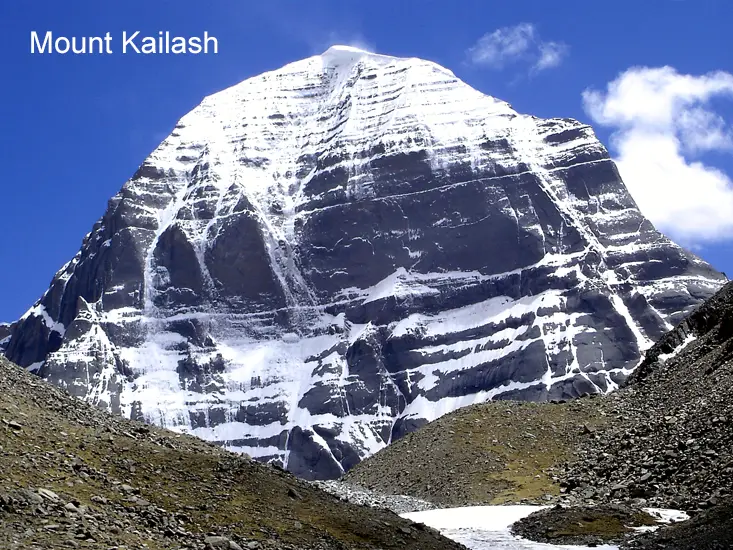
Begin Kailash Kora (circumambulation) – a sacred pilgrimage route. Kailash Parikrama – The Sacred Circumambulation of Mount Kailash. Kailash Parikrama, also known as Kailash Kora, is one of the most sacred pilgrimage journeys in the world. It involves the 52-kilometer circumambulation of Mount Kailash, located in the remote Ngari (Ali) region of western Tibet at an altitude of over 6,600 meters. Revered by Hindus, Buddhists, Jains, and followers of Bon religion, Mount Kailash is believed to be the spiritual center of the universe. Completing one full parikrama is said to cleanse past sins and bring spiritual merit, while 108 parikramas are believed to lead to enlightenment. The parikrama is typically completed in three days, passing through sacred sites such as Yam Dwar, Dirapuk Monastery, Dolma La Pass (5,630 m), Gauri Kund, and Zutulpuk Monastery. The journey offers a profound blend of spiritual devotion, physical challenge, and breathtaking Himalayan landscapes. Pilgrims and trekkers walk alongside snow-clad peaks, glacial valleys, prayer flags, and chanting devotees, creating a deeply moving and transformative experience. Despite the high altitude and rugged terrain, the sense of peace and spiritual fulfillment makes Kailash Parikrama a once-in-a-lifetime journey.
Highlights:
Important Note:
Kailash Parikrama requires good physical fitness, proper acclimatization, and adherence to local regulations. Travel permits and guided arrangements are mandatory for visitors to Tibet.Overnight in Dirapuk / Zutrulpuk.
Dirapuk and Zutulpuk (Zutrulpuk) are two of the most important and spiritually significant resting points along the Mount Kailash Parikrama (Kora). These sacred sites serve as overnight stops for pilgrims and trekkers undertaking the holy circumambulation of Mount Kailash.
Dirapuk Monastery, located on the north face of Mount Kailash at an altitude of around 5,080 meters, offers the closest and most awe-inspiring view of the sacred peak. This is the place where pilgrims witness the legendary north face of Mount Kailash, believed to be the spiritual heart of the mountain. The serene surroundings, prayer flags, and chanting monks create a deeply spiritual atmosphere. Zutulpuk Monastery, meaning “Cave of Miracles,” is situated at an altitude of approximately 4,900 meters. It is associated with the great yogi Milarepa, who is believed to have meditated here. The monastery marks the final night of the Kailash Parikrama and provides a peaceful setting for reflection after crossing the challenging Dolma La Pass. Both locations offer basic guesthouse accommodation for pilgrims, along with simple meals and essential facilities. Despite the simplicity, staying at Dirapuk and Zutulpuk is considered one of the most meaningful parts of the Kailash journey.
Highlights:
A stay at Dirapuk and Zutulpuk allows travelers to experience the spiritual depth, silence, and sacred energy of Mount Kailash, making the parikrama a truly transformative journey.
Finish the circumambulation and return to Darchen. Overnight stay.
Drive back with scenic stops. Overnight en route.
Return to Lhasa and transfer to airport for onward flight.
Traveling to Tibet is an adventure in itself. Most visitors arrive via Lhasa Gonggar Airport, with flights from major cities like Kathmandu, Beijing, and Chengdu. Alternatively, you can take the scenic Tibet Railway from Qinghai or Sichuan, offering breathtaking views of the plateau.
Tibet offers a range of accommodations, from luxury hotels in Lhasa to comfortable guesthouses in remote regions. In major cities like Lhasa, Shigatse, and Gyantse, you’ll find modern amenities, while in remote towns like Darchen, the accommodations are more basic but comfortable.
Tibet’s climate is characterized by high-altitude conditions. The best time to visit is during the spring (April to June) and autumn (September to October) when the weather is mild and clear. Summers (July and August) can be rainy, and winters (November to March) are cold and snowy.
Traveling around Tibet involves acclimatization due to the high altitude. Most tours are designed to allow gradual acclimation, typically starting in Lhasa and then moving toward other regions like Shigatse and Ngari.
Tibet is renowned for its rich cultural heritage, deeply rooted in Buddhism, traditional festivals, and unique customs. From the majestic Potala Palace to the serene Jokhang Temple, and the colorful monasteries like Sera and Drepung, Tibet’s cultural landscape is both vibrant and deeply spiritual.
Booking your Tibet tour with Gracias Nepal is seamless. Simply contact us through our website or customer service, and we’ll assist you with personalized itineraries, accommodation options, and travel arrangements. We handle all the details, including permits and local guides, ensuring a smooth and enriching journey.
Visa and Permits:
To enter Tibet, you’ll need a Chinese visa and a special Tibet Travel Permit. Gracias Nepal Tour Agency will assist you with the permit application process, ensuring all paperwork is in place before your trip. Embark on a transformative journey to Tibet with Gracias Nepal Tour Agency and experience the majestic beauty, rich culture, and spiritual heritage of the Roof of the World.
 For more information +9779851093008