Gosaikunda – Ghoda Tabela – Helambu – Melamchi Tour and Trek
Gosaikunda helambu trek is spectacular trek combines the sacred alpine lakes of Gosaikunda, the pristine landscapes of Langtang National Park, the peaceful cultural villages of Helambu, and the lush valleys of Melamchi. A night at Ghoda Tabela allows gradual acclimatization while enjoying dramatic mountain scenery, glaciers, and alpine meadows. The trek offers panoramic Himalayan views, rich biodiversity, and authentic Tamang–Sherpa culture — all within just four days.
Arrive at Tribhuvan International Airport. Transfer to your hotel. Enjoy a welcome dinner with Nepali cultural dance and explore the local market. Hotel with dinner.
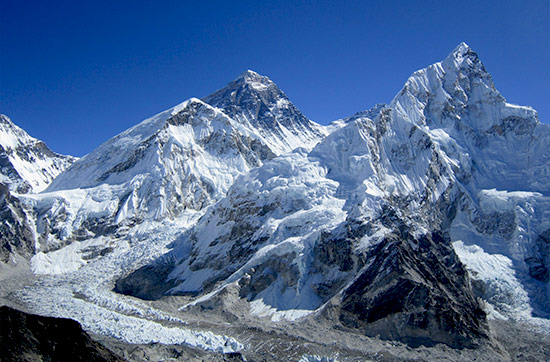
Full-day sightseeing in Kathmandu Valley.Early morning Optional Himalaya mountain flight for a bird’s-eye view of Everest. Visit Kathmandu Durbar Square, Pashupatinath Temple, and Boudhanath Stupa (UNESCO World Heritage Sites), Lunch with a beautiful view of Boudhanath Stupa.Return to hotel for dinner and overnight stay.
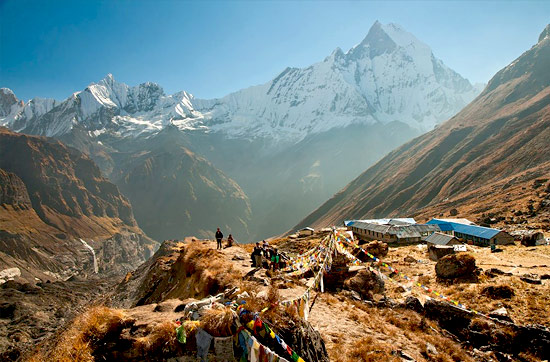
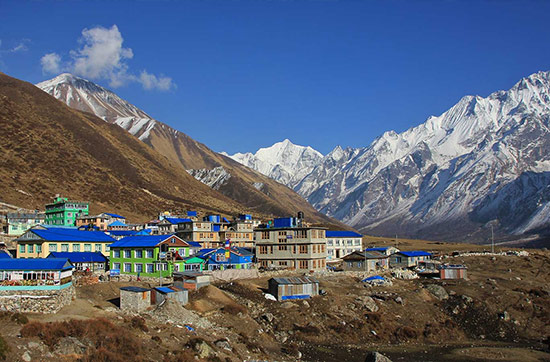
Early morning drive from Kathmandu to Dhunche, the gateway of Langtang National Park. After lunch, begin trekking through pine and rhododendron forests, following the Langtang River upstream. The trail passes scenic waterfalls and yak pastures before reaching Ghoda Tabela, a beautiful open valley surrounded by towering Himalayan walls.
Gosaikunda Lake is one of Nepal’s most revered and breathtaking high-altitude lakes, located in the Langtang National Park, north of Kathmandu. Sitting at an elevation of approximately 4,300 meters above sea level, this pristine alpine lake is surrounded by snow-covered peaks, rugged ridgelines, and dramatic Himalayan landscapes. Gosaikunda is actually a complex of more than 100 glacial lakes, with the main lake shimmering in deep turquoise and emerald hues depending on the light and season. The lake is fed by melting glaciers and remains frozen during winter, transforming into a crystal-white wonderland. During sunrise and sunset, the reflections of the surrounding mountains on the still water create a truly magical panorama. Gosaikunda holds immense spiritual importance for Hindus and Buddhists. According to Hindu mythology, Lord Shiva is believed to have created the lake by piercing a glacier with his trident to obtain water after consuming poison during the cosmic event of Samudra Manthan.
Every year during Janai Purnima (August full moon), thousands of pilgrims trek to Gosaikunda to take a holy dip, believing the sacred waters wash away sins and bring spiritual purification. From Gosaikunda, visitors are rewarded with sweeping views of Langtang Lirung, Ganesh Himal, Manaslu range, and on clear days, distant Tibetan peaks. The surrounding area features alpine meadows, rocky moraines, and seasonal wildflowers, making it a paradise for photographers and nature lovers. Reaching Gosaikunda is an adventure in itself. The trail passes through rhododendron and pine forests, yak pastures, and high Himalayan terrain. It is a popular destination for trekkers combining the route with Helambu, Langtang Valley, or Melamchi treks. The journey offers a perfect balance of natural beauty, cultural encounters, and spiritual serenity.
Today is the most rewarding and scenic day. The trail climbs steadily through high alpine terrain, passing Lauribina and several smaller glacial lakes. As you ascend, the landscape opens to breathtaking views of Langtang Lirung, Ganesh Himal, and Manaslu range. Reach the sacred Gosaikunda Lake (4,300 m) — revered by Hindus and Buddhists — glowing turquoise beneath snow-covered peaks.
Early morning sunrise at Gosaikunda offers unforgettable reflections of the Himalayas. Cross Laurebinayak Pass (4,610 m) — the highest point of the trek — providing 360-degree panoramic mountain views. Descend into the greener Helambu region through alpine forests and traditional villages to Sherpa Gaon, known for its warm hospitality and Buddhist culture.
Descend through bamboo forests, terraced fields, and charming villages toward Melamchi Pul Bazaar. Meet your vehicle and drive back to Kathmandu, enjoying scenic river valleys and rural landscapes.
Transfer to the airport for your onward flight home, taking unforgettable memories of the Langtang Gosaikunda Helambu Trek with you.
Experience sacred lakes, alpine valleys, and panoramic Himalayan views in just four unforgettable days.
 For more information +9779851093008